Acting
How to Get Cast in Tamil Films
Most people trying to get into Tamil cinema are aiming at the wrong roles and preparing the wrong material. Here is how the process actually runs, from someone who came in through it.
I came into Tamil cinema the ordinary way, through an audition, with no family in the industry. My first film role was in Mani Ratnam's Kaatru Veliyidai in 2017, and I was cast through an audition conducted by P. S. Keerthana. The shoot ran about twenty days in Ooty and another week in Chennai.
I mention that not as a credential but because the path is far less mysterious than it looks from outside. There is a process. It is competitive and slow, but it is a process, and you can prepare for it.
How casting actually works
Films here are cast largely through casting directors and casting coordinators. A production tells them what it needs, and they assemble options. For lead roles, that search is narrow and usually involves known names. For everything below the leads, it is genuinely open, and that is where newcomers enter.
Calls go out through casting directors' own networks, through social channels, and through word of mouth among people who have worked together before. Some are advertised publicly; many are not, and circulate among people the coordinator already knows.
This is why your first job is not to find a shortcut to a director. It is to become known to the people who do the casting.
Aim at the roles that actually exist
The most common mistake is aiming only at roles that will never be offered to an unknown. Productions do not hand significant speaking parts to people with no track record and no footage.
What is genuinely available to newcomers:
- Background and crowd work, which teaches you how a set actually runs and costs you nothing but time.
- Small supporting parts, the friend, the colleague, the neighbour, often with a line or two.
- Featured non-speaking roles, where you are clearly visible and must act, without dialogue.
- Short films and independent projects, which are the fastest way to get real footage of yourself acting.
My own early film roles were exactly this kind of part. They are not glamorous, but they put you on professional sets, they give you footage, and they introduce you to people who cast things. That is the ladder.
Prepare the material you will actually be asked for
Before you chase any casting call, have this ready, because you will be asked for it at short notice and the people asking will not wait:
- A clear headshot, recent, well lit, looking like you actually look.
- A full-length photograph, plain clothing, neutral background.
- A short introduction video, where you state your name, age, height, location and languages, directly to camera.
- Any footage of you performing, from a short film, an advertisement, anything. Even rough material is better than none.
Keep it in one place you can send instantly. A great deal of casting runs on WhatsApp, and the person asking has twenty others to contact. Being the one who replies within the hour with everything attached genuinely changes your odds.
The audition itself
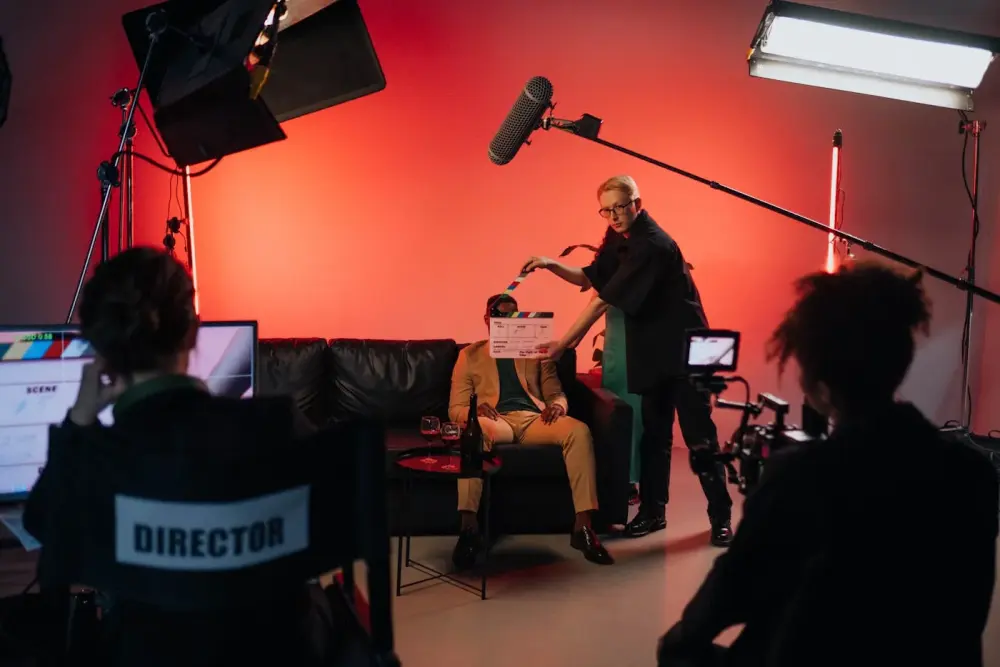
Auditions here are usually simple and quick. You may be given sides to read, asked to perform a short scene, or asked to improvise a situation. Often you will be recorded on a phone or a small camera.
What is being assessed is narrower than people assume. They are looking at whether you are believable, whether you take direction, and whether you fit the role physically. They are not looking for a dramatic performance that announces how hard you are working.
Make a clear, specific choice about who the person is and what they want, and commit to it. A definite choice that is slightly wrong is far more castable than a vague attempt to be universally acceptable. If they redirect you, change what you are doing genuinely rather than repeating your first attempt slightly louder. The ability to adjust is often the thing that actually gets you cast.
Audition tips that actually get you noticed goes further into the preparation, and building a believable character covers how to arrive at that specific choice in the first place.
What is expected of you on set
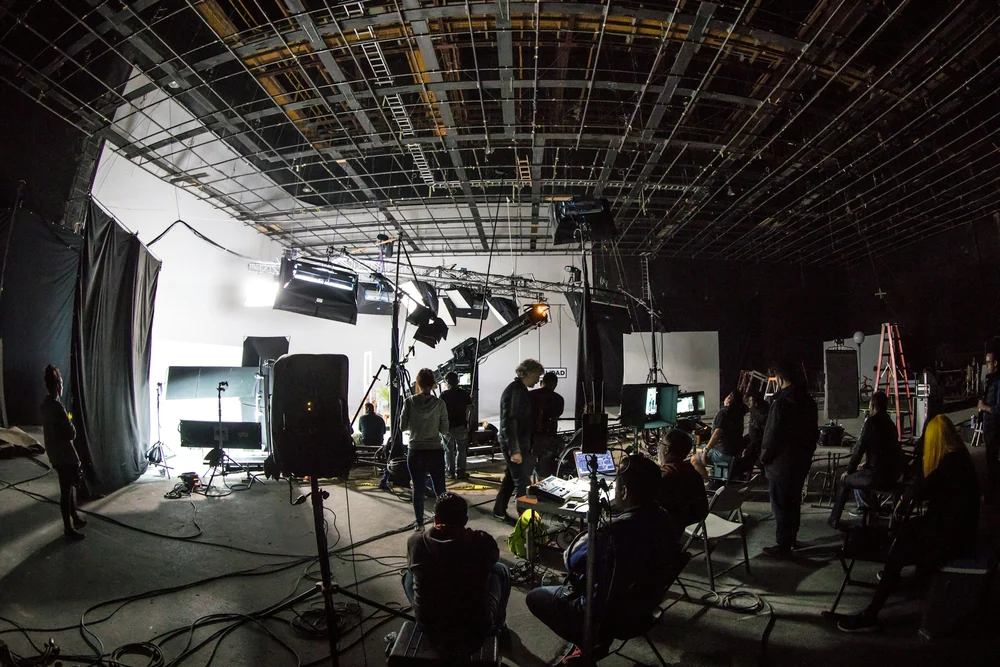
Film sets run on hierarchy, timing and a great deal of waiting. A newcomer who understands this is immediately easier to work with than one who does not.
Practical expectations: arrive before your call time, bring what wardrobe asked you to bring, stay in your costume and continuity once established, and remain available and findable. Do not wander off. Do not take photographs on set unless you have been told it is allowed. Do not approach the lead actors socially while they are working.
Expect long stretches of nothing followed by sudden activity. On Kaatru Veliyidai the schedule ran across weeks, and the proportion of time spent actually performing is always small. Patience is a professional skill here, not a personality trait.
Be pleasant to the crew. Assistant directors, who are the people managing you all day, go on to work on other productions and are asked constantly whether someone was easy to deal with.
Building from small parts to larger ones
Progress in this industry is slower than anyone wants it to be, and it is almost entirely cumulative. Each job gives you three things: footage, a credit, and relationships.
Keep every usable piece of footage and assemble it into a short reel as soon as you have enough. Keep a straightforward record of what you have appeared in. Stay in touch with the people you worked with, without being a nuisance about it.
Take short films and independent projects seriously, because they are where you get to actually act rather than appear. They are also where many working actors in this industry were first noticed.
Meanwhile, keep doing commercial and print work if it is available to you. It pays, it keeps you comfortable on camera, and in this market the two careers feed each other. Modelling in Tamil Nadu covers that side.
The traps to avoid
There is a persistent industry around the ambition to act, and much of it is designed to take money from people who want it badly.
The rule is simple and does not bend: you do not pay to be cast. Legitimate productions do not charge audition fees, registration fees or security deposits. Anyone asking for money to put you in front of a director is selling you something that is not theirs to sell.
Be equally wary of guaranteed-role offers, of people who want to meet privately rather than at a production office or studio, and of anyone discouraging you from bringing someone with you. Take a friend to auditions, particularly early on, and tell someone where you are going.
How to spot a modelling scam in Tamil Nadu covers the warning signs in detail, and most of them apply identically to film casting.
A realistic timeline
If you want an honest expectation: assume a few years, not a few months. Assume your early credits will be small, often uncredited, and occasionally cut entirely. Assume you will need other income while you build.
That is not discouragement. It is the actual shape of the path, and knowing it in advance is what allows people to stay in long enough to get somewhere. The people who drop out are usually not the least talented, they are the ones who expected it to happen quickly.