Modelling
Modelling in Tamil Nadu: The Real Market
Tamil Nadu has a large, busy and surprisingly unglamorous modelling market. Understanding what it actually buys is the difference between a career and a hobby.
A lot of advice written for aspiring models assumes a market that works like Milan or Mumbai, with agency boards, seasons and editorial ladders. Tamil Nadu does not work quite like that, and beginners who plan around that model tend to be disappointed.
The market here is real, it is busy, and it pays, but the bulk of what it buys is commercial rather than editorial. Once you understand that, where to aim becomes much clearer.
Chennai is the centre of gravity
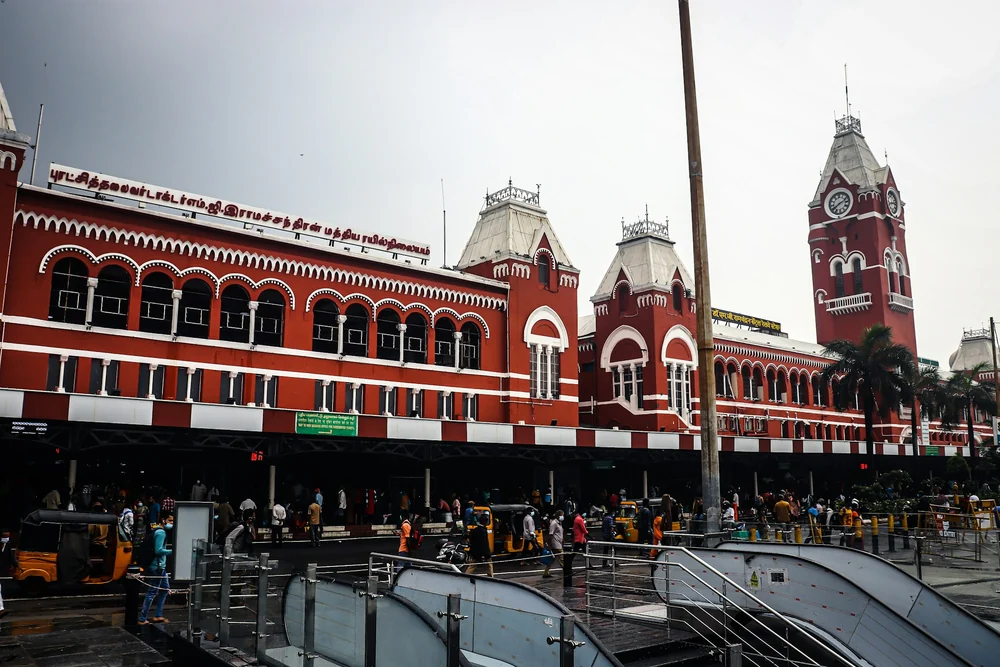
Almost everything flows through Chennai. The advertising agencies are there, the production houses are there, the studios are there, and the great majority of castings happen there. Coimbatore, Madurai and Pondicherry all generate work, but Chennai is where the commissioning happens.
This does not mean you must live in Chennai, and plenty of working models in this state do not. It does mean you need a workable relationship with the city: the ability to travel for a casting at short notice, and enough presence that people remember you exist between jobs.
The categories of paid work that actually exist
If you are planning a career here, plan it around what clients in this state actually commission:
- Retail and catalogue print, particularly textiles and jewellery. This is the backbone of the market and the most consistent source of paid days.
- Television and film commercials, for regional and national brands, often shot in Chennai with local crews.
- E-commerce, the steady, high-volume, unglamorous work that keeps many models busy and paid.
- Runway, concentrated around bridal exhibitions, textile expos, designer showcases and seasonal events rather than a formal fashion-week calendar.
- Film and television appearances, from background work upward, which overlaps with modelling but runs on its own casting channels.
Notice what is small on that list. High-fashion editorial, the kind that fills international portfolios, is a narrow slice of this market. If that is the only work you will accept, you will not work often here.
Why textiles and jewellery matter so much
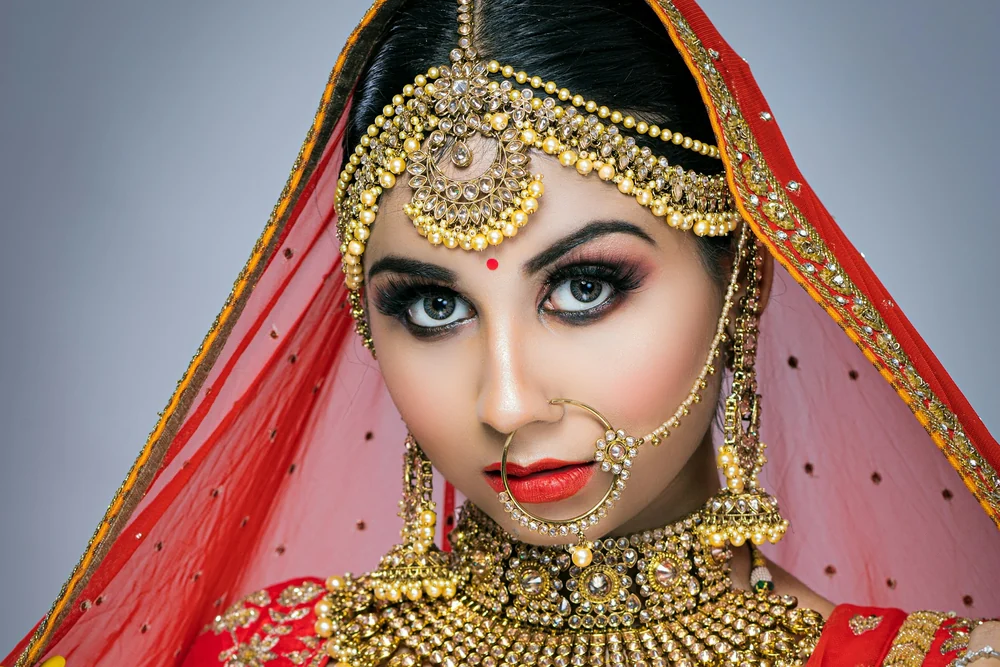
If you want to understand this market in one sentence, it is this: Tamil Nadu buys an enormous amount of saree, silk and gold advertising, and that advertising needs faces.
Large textile and jewellery retailers advertise continuously and at scale, across print, television, hoardings and digital. The campaigns recur with festivals and wedding seasons, which gives the work a rhythm you can plan around. Much of my own commercial work over the years has come from this part of the market and the wider retail economy around it: textile and jewellery names such as Chennai Silks, NAC Jewellers, Sri Kumaran Thanga Maligai and Selvarathinam Saravana Stores, menswear and ethnic labels including Ramraj Cotton, Manyavar, Ethnicity and Otto, and consumer and technology brands from Bovonto and Zomato to BSA TI Cycles, Epson and Lenovo. That spread is typical of a working commercial model here: the jewellery and silk campaigns are the recognisable ones, but the career is built across all of it.
This work rewards a particular set of qualities: the ability to wear traditional clothing convincingly, patience through long days under heavy fabric and jewellery, and a warm, approachable, non-intimidating presence on camera. If you have those, you are employable here regardless of whether you fit an international editorial template.
The calendar that drives this market
Commercial work in Tamil Nadu is not spread evenly through the year. It clusters, heavily, around a retail calendar that barely changes. Understanding that rhythm is one of the more useful things a model here can do, because it tells you when to push and when to expect quiet.
- Pongal, in mid-January, a major retail moment across the state and a significant advertising push for textiles and jewellery.
- Aadi, roughly mid-July to mid-August, traditionally the big discount season for textile retailers and one of the heaviest advertising periods of the year.
- The wedding seasons, which drive bridal, silk and jewellery work and dominate a large share of the campaign imagery produced in this state.
- Diwali, in October or November, another substantial retail peak.
The important consequence is one beginners consistently miss: campaigns are shot weeks or months before the season they advertise. The Pongal imagery is photographed in the cold light of November and December. Aadi campaigns are shot well before the sale begins. If you wait until a festival is being advertised to start approaching people, you are months late.
Plan around it. Be visible and available in the pre-season windows, expect genuinely slow stretches between them, and budget for the quiet months rather than being alarmed by them.
How casting actually happens here
The formal agency roster is only part of the picture in Tamil Nadu, and for newcomers it is usually not the part that gets them their first job.
In practice, a great deal of casting runs through casting coordinators and informal networks: a coordinator is asked to find six faces of a certain type by Thursday, and they go to the people they already know, plus whoever is visible and reachable. Messaging groups, direct referrals and Instagram all feed into this.
The practical consequence is that being known to two or three reliable coordinators is worth more than being registered with ten agencies you never hear from. Relationships carry this market.
It also means your behaviour on one job directly determines whether you are called for the next. Coordinators talk to each other. A reputation, good or bad, travels across this state quickly.
What the work pays, and how to think about it
Rates vary so widely by client, category and usage that publishing figures would mislead more than it helped. A regional e-commerce day and a statewide television campaign are not the same job, and should never be priced as though they were.
What you should take away is the structure. Your fee reflects your time on the day, and separately it should reflect how the images are used: where they appear, for how long, and across how wide an area. Usage is the part beginners forget to ask about, and the part that most affects what a job is genuinely worth.
Ask three questions before agreeing to anything: what is the shoot duration, what will the material be used for, and for how long. Clients who work with professionals expect these questions. Clients who react badly to them are telling you something useful.
In practice, ask these before you commit to anything:
- How long is the shoot expected to run, and what happens if it overruns?
- Where will the images be used: social media, print, in-store, hoardings, television?
- Over what territory, a single outlet or the whole state?
- For how long may they be used? Open-ended usage is the most commonly overlooked term in this market.
- Does accepting bar me from working with competing brands, and for how long?
- What is the fee, when is it paid, and by what method?
None of this is aggressive and none of it will cost you a job with a professional client. It is the ordinary language of commercial work, and asking marks you as someone who has done it before.
What a shoot day actually looks like
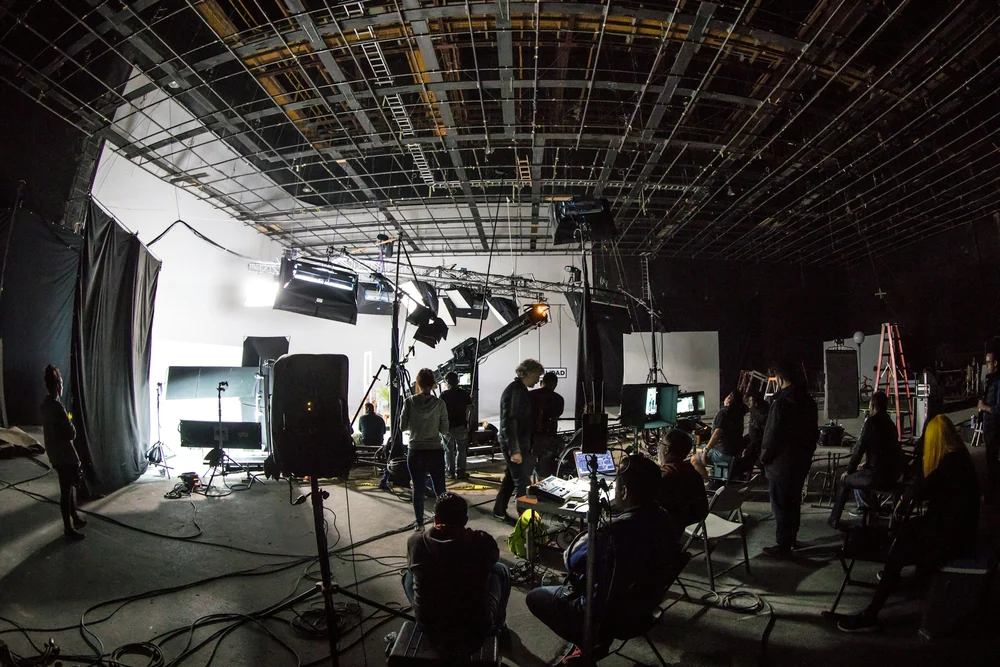
Most people picture the photograph being taken. Almost none of the day is that, and knowing the real shape of it is what separates someone easy to work with from someone who is hard work.
- You arrive before your call time, not at it. Call time is when you are ready to begin, not when you walk in.
- Wardrobe, hair and makeup come first, and often take considerably longer than you expect, particularly for traditional clothing and heavy jewellery.
- Then you wait. Lighting is set, the client approves the setup, something is adjusted, and it is set again. This is normal and is not a sign anything is wrong.
- The shooting itself happens in short bursts, with long gaps between them while the next setup is built.
- Continuity matters. Once a look is established, do not adjust your own hair, clothing or jewellery without telling the person responsible for it.
- You stay until you are released, not until you think you are finished.
The practical skill here is patience that does not visibly curdle. Long days under lights in heavy clothing are genuinely tiring, and the people who get booked again are the ones who are still pleasant at hour nine. That, far more than your face, is what gets you a second call.
Language, presentation and fitting in
Tamil is a genuine practical advantage on sets here, particularly for commercials with dialogue and for communicating easily with crews. It is not an absolute requirement for silent print work, and plenty of models work successfully with limited Tamil, but it widens what you can be cast in.
Presentation matters in a specific, unglamorous way: turn up with clean, well-maintained skin and hair, bring what you were asked to bring, and arrive ready to work. Prepping your skin before a photoshoot and hair care fundamentals cover the groundwork that makes a long shoot day easier on everyone.
What actually builds a career here
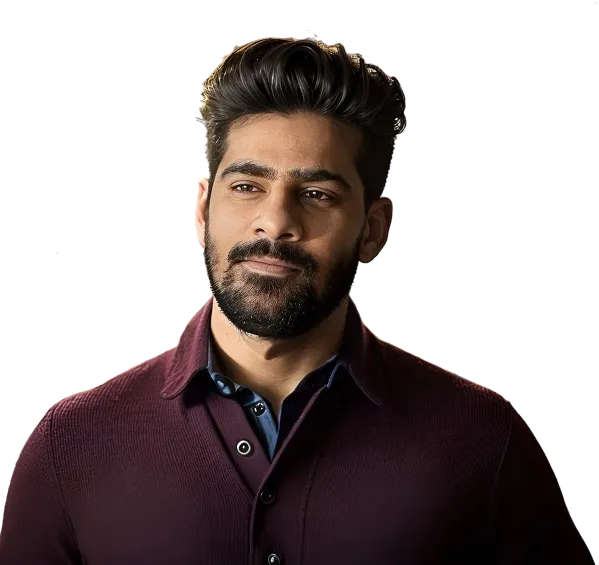
After more than a decade working in this market, the models I see sustaining careers are rarely the most striking faces. They are the ones who are easy to work with.
That means arriving on time, knowing the brief, taking direction without argument, staying pleasant during the long waits that are unavoidable on any set, and not complaining publicly about clients afterwards. None of this is glamorous and all of it compounds.
The second thing that builds a career here is staying visible between jobs. This market has a long memory for people it sees regularly and a short one for people who disappear.
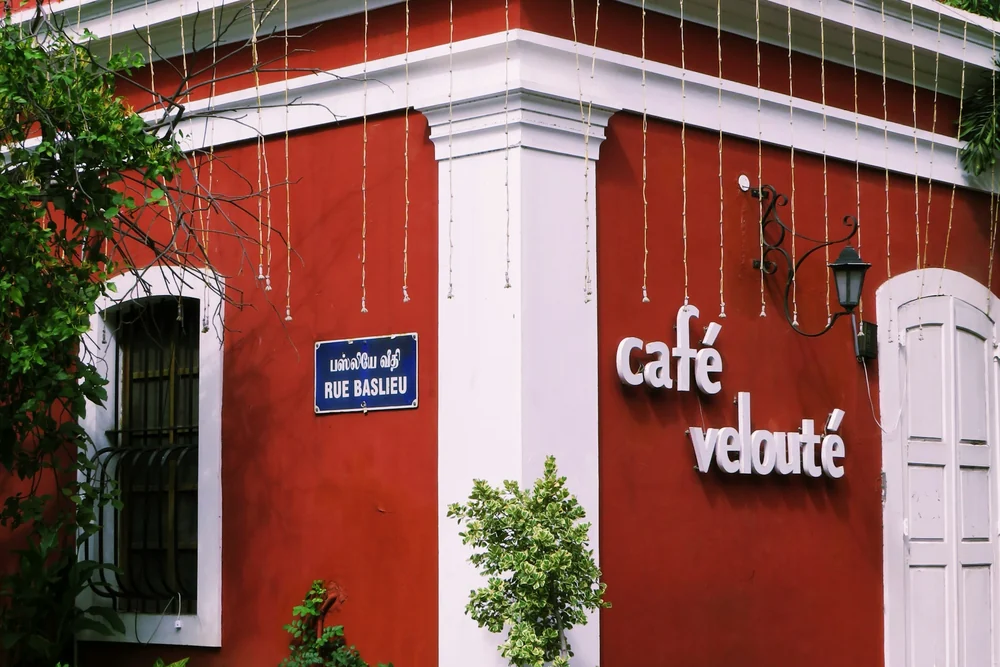
If you are starting from outside Chennai, becoming a model in Pondicherry sets out a workable first year. If your interest leans toward screen work rather than print, getting cast in Tamil films covers how that side operates.
Common questions
Do I have to live in Chennai to model in Tamil Nadu?
No, but you do need a workable relationship with the city, because that is where most of the work is commissioned. A great many working models in this state are based elsewhere and travel in for castings and shoots. What does not work is being unreachable or unable to travel at short notice.
Do I need to speak Tamil?
Not for silent print and catalogue work, where plenty of models operate with limited Tamil. It becomes a genuine advantage for commercials with dialogue, for working comfortably with crews, and for any move toward screen work. It widens what you can be cast in rather than deciding whether you can work at all.
How much do models earn in Tamil Nadu?
Rates vary so widely by client, category and usage that any single figure would mislead you. What is consistent is the structure: you are paid for your time on the day, and separately for how the images are used, across what territory and for how long. Usage is the part beginners forget to ask about and the part that most affects what a job is genuinely worth.
Do I need an agency to get work here?
Not to begin. A substantial share of casting in this state runs through casting coordinators and informal networks rather than formal agency rosters, so being known to two or three reliable coordinators is often worth more than being registered with ten agencies. Never pay an agency to represent you; legitimate ones earn commission on work they get you.
Is there a height or age requirement?
It depends entirely on the category. High-fashion editorial applies narrow height and size standards, but it is a small slice of this market. Commercial, retail, catalogue and e-commerce work books a very wide range of ages, heights and body types every day, and that is where most of the paid work in Tamil Nadu actually is.