Skin
How to Prep Your Skin Before a Photoshoot
What you do in the week before a shoot matters more than any last-minute fix the morning of. Follow this calm countdown and your skin will show up to the set at its absolute best.
Turning up to a shoot with glowing, calm skin isn't luck, it's planning. Skin is reactive: it responds to sleep, diet, stress and the products you use over days, not just hours. That means the best prep window starts a full week before your booking, not at 6 a.m. on the day. This guide gives you a clear timeline so nothing is left to chance.
If you haven't already built a consistent daily routine, read Building a Daily Skincare Routine That Works first, the steps below assume you have a basic cleanse-moisturise-protect habit already in place.
Why prep matters
High-resolution cameras and studio lighting are unforgiving. Dry patches, surface congestion and redness that are barely visible in a mirror read clearly on a sensor. Makeup artists can conceal a lot, but they cannot easily smooth dehydrated skin or calm active inflammation in minutes. Good prep means the makeup artist starts on the best possible canvas, your coverage is lighter and more natural, and retouching time drops. It also protects your skin, heavy corrective makeup layered over compromised skin can make things worse, not better.
The goal is not perfection. It is calm, hydrated, clean skin with no fresh irritation. Everything in this countdown works toward that.
One week before
This is the window to give your skin its best foundation, and the window to stop experimenting with anything new.
Hydration from the inside
Start paying real attention to water intake. Aim for at least 1.5-2 litres per day. Skin that is properly hydrated reflects light better and lines look softer. Reduce alcohol and excessive caffeine, both of which draw moisture out of the skin.
A gentle exfoliation session
Do one gentle chemical exfoliation, a low-strength AHA such as lactic acid, or a BHA if you're prone to congestion. This clears dead-cell buildup so the skin surface is smooth by shoot day. Do this once, seven days out, never later than three days before. Always patch-test any new exfoliant on a small area of skin first and wait 24 hours before applying it to your whole face.
Sleep and diet reset
Prioritise seven to eight hours of sleep each night this week. Cut back on high-sugar and highly processed foods; they contribute to inflammation and can trigger breakouts. Load up on vegetables, healthy fats and lean protein instead, nutrients that support skin repair.
Freeze your routine
Stop introducing any new products. A new serum, retinol or cleanser can cause unexpected reactions, and a full week is not enough time to know how your skin will respond. Stick to products you know work for you.
Three days before
With three days to go, the focus shifts to calming and loading the skin with moisture.
Put actives on pause
Stop using retinoids, strong vitamin C formulations and any exfoliating acids. These can cause subtle dryness, flaking or sensitivity that takes a couple of days to fully settle. You want zero active irritation on shoot day, so give your skin time to stabilise.
Double down on hydration products
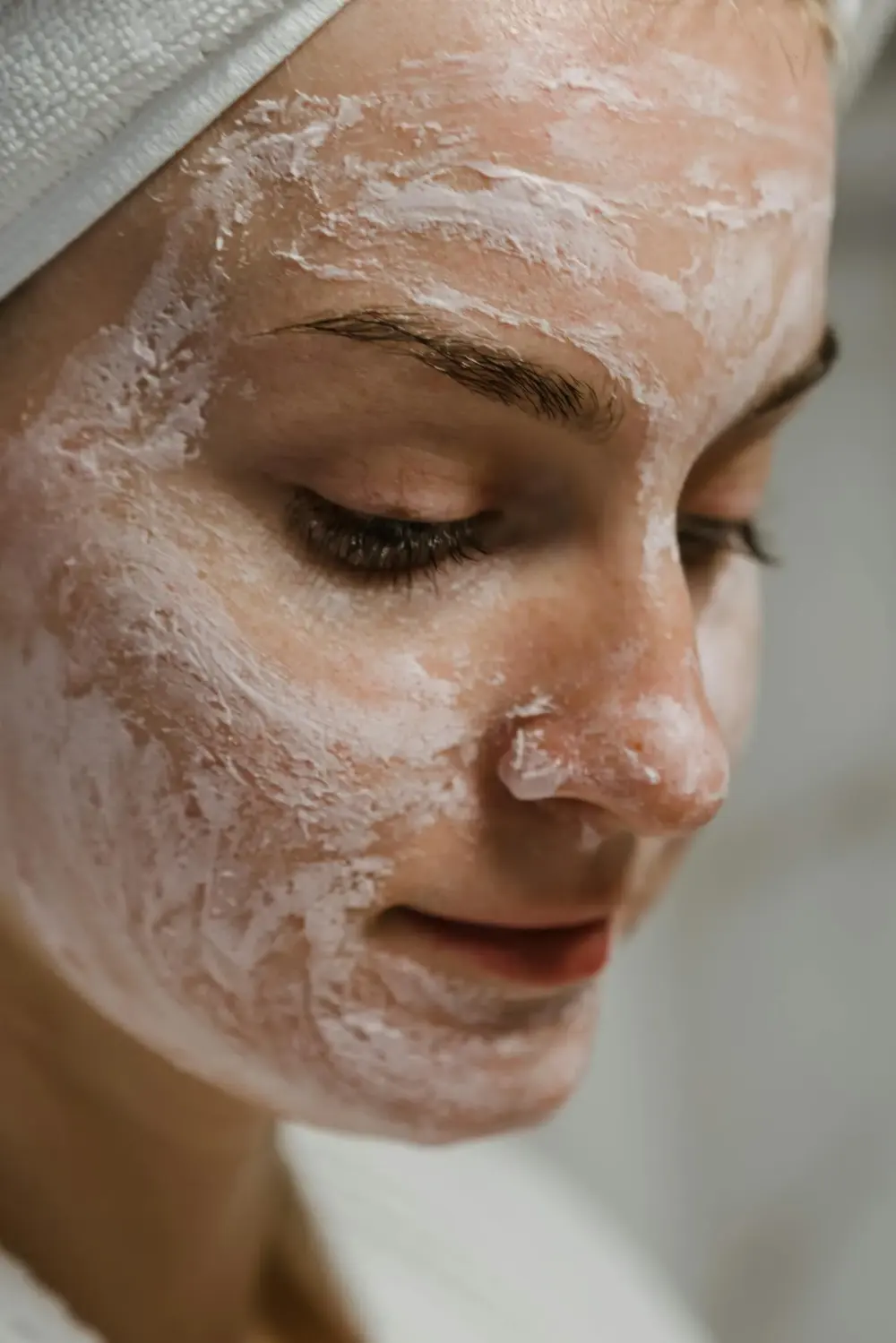
Switch to a more hydrating evening moisturiser if you have one. Layer a hyaluronic acid serum under your moisturiser at night, it binds water in the skin and the plumping effect is visible within 48 hours. A sheet mask on this evening is a good option if your skin responds well to them; if you haven't used one before, skip it, a reaction this close to a shoot is not worth the risk.
Manage stress
Cortisol, the stress hormone, triggers oil production and inflammation. Keep your schedule calm, exercise moderately and get your sleep. A stressed body shows up on your face.
The night before
Keep the night before simple and predictable. This is not the time for any treatment or experiment.
- Cleanse thoroughly with your usual gentle cleanser.
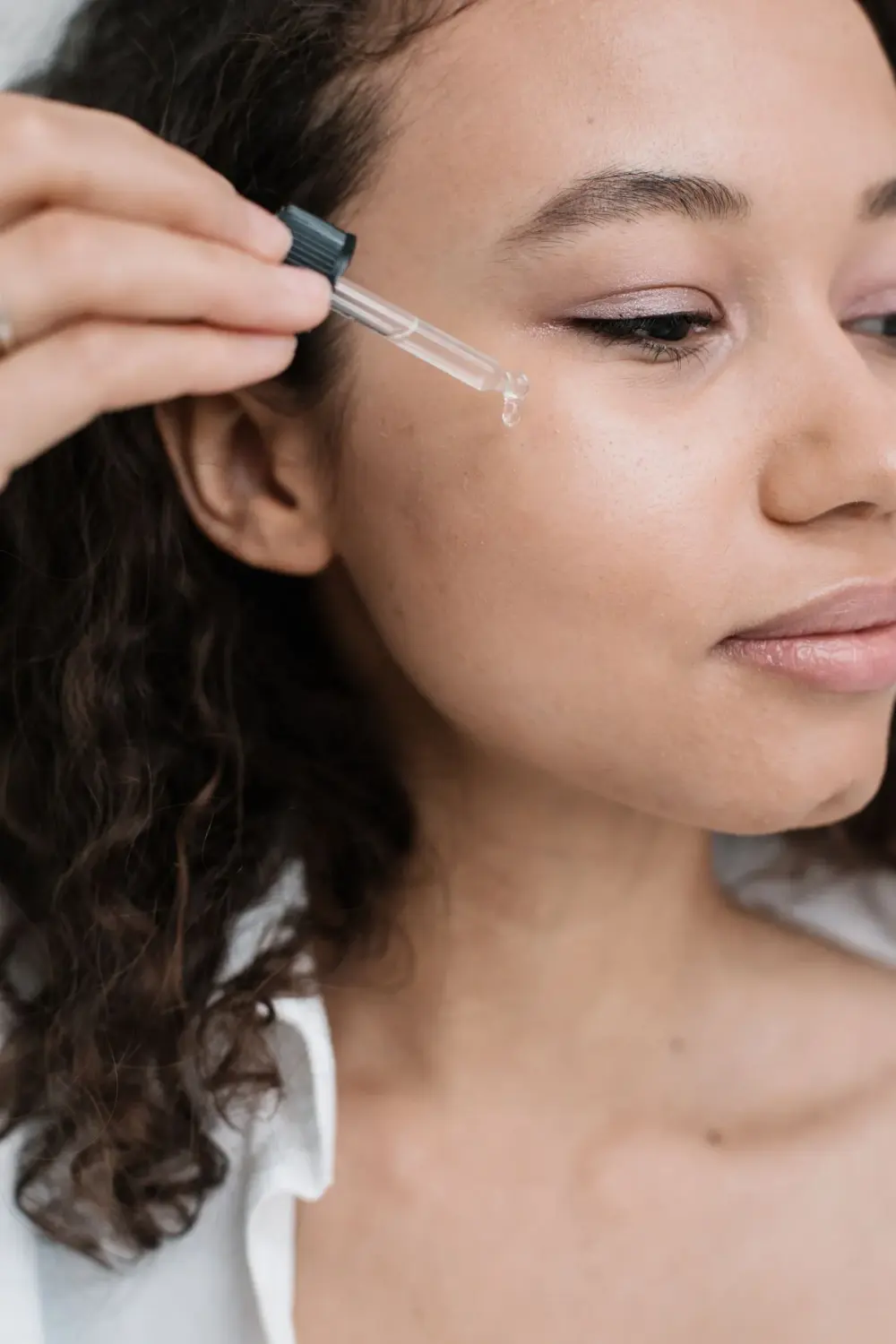
- Apply a hyaluronic acid serum while skin is still slightly damp.
- Seal with a generous layer of your normal moisturiser.
- Apply lip balm, chapped lips are hard to cover and slow down makeup.
- Clean your pillowcase if you haven't recently.
- Aim for at least eight hours of sleep.
The night before a shoot is the most important night of sleep you'll take all week, treat it that way.
Avoid any sheet mask, face oil or product you haven't used before. Do not try to treat a breakout with a new spot product tonight, it can inflame the area further. For blemish management strategies, see Managing Acne and Blemishes for On-Camera Work.
The morning of the shoot
Your morning routine should be short, gentle and familiar.
Cleanse gently
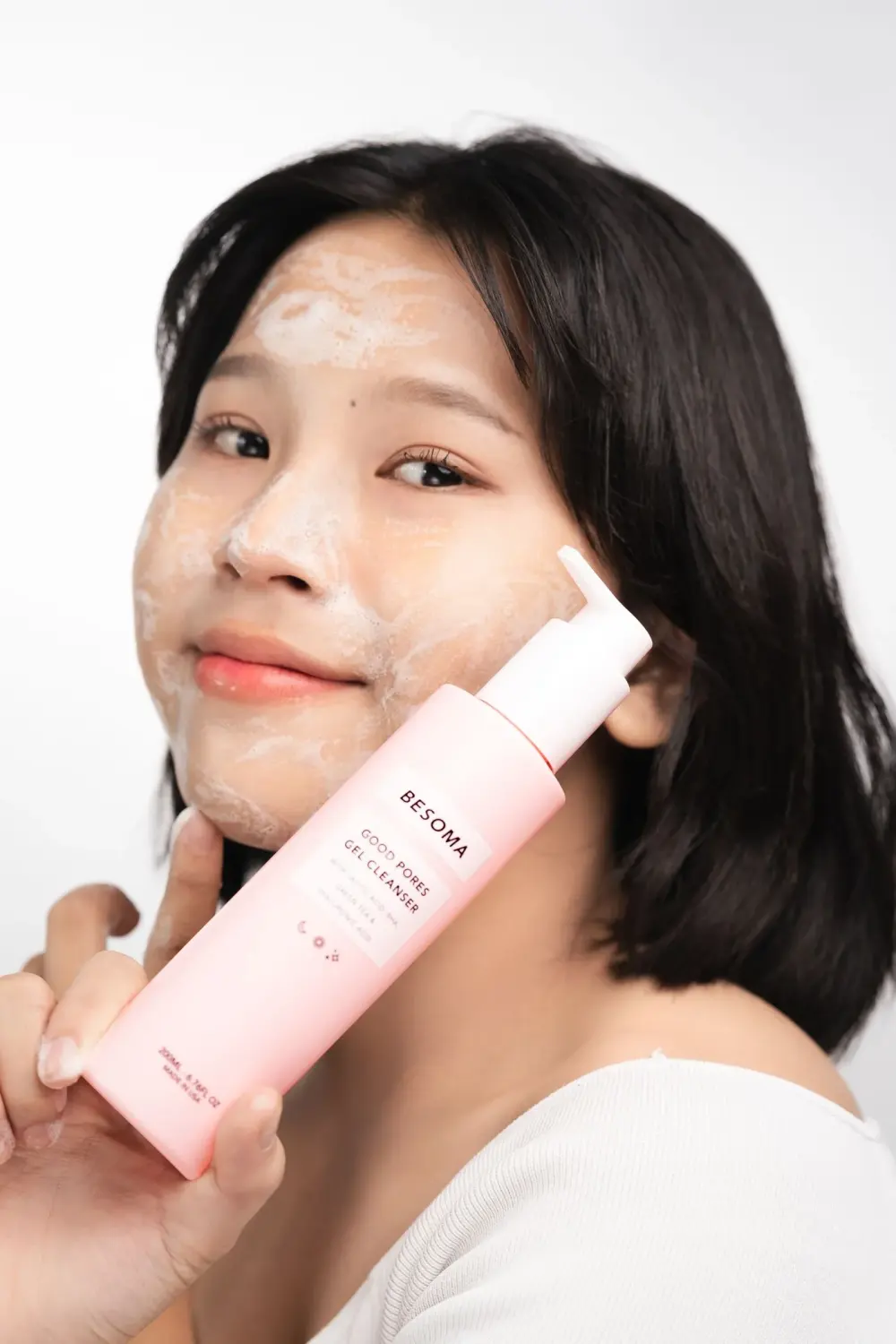
Wash with your usual cleanser, do not over-cleanse or use anything stronger than normal. If your skin isn't particularly dirty after sleeping on a clean pillowcase, a quick rinse with water is fine for some skin types.
Hydrate and protect
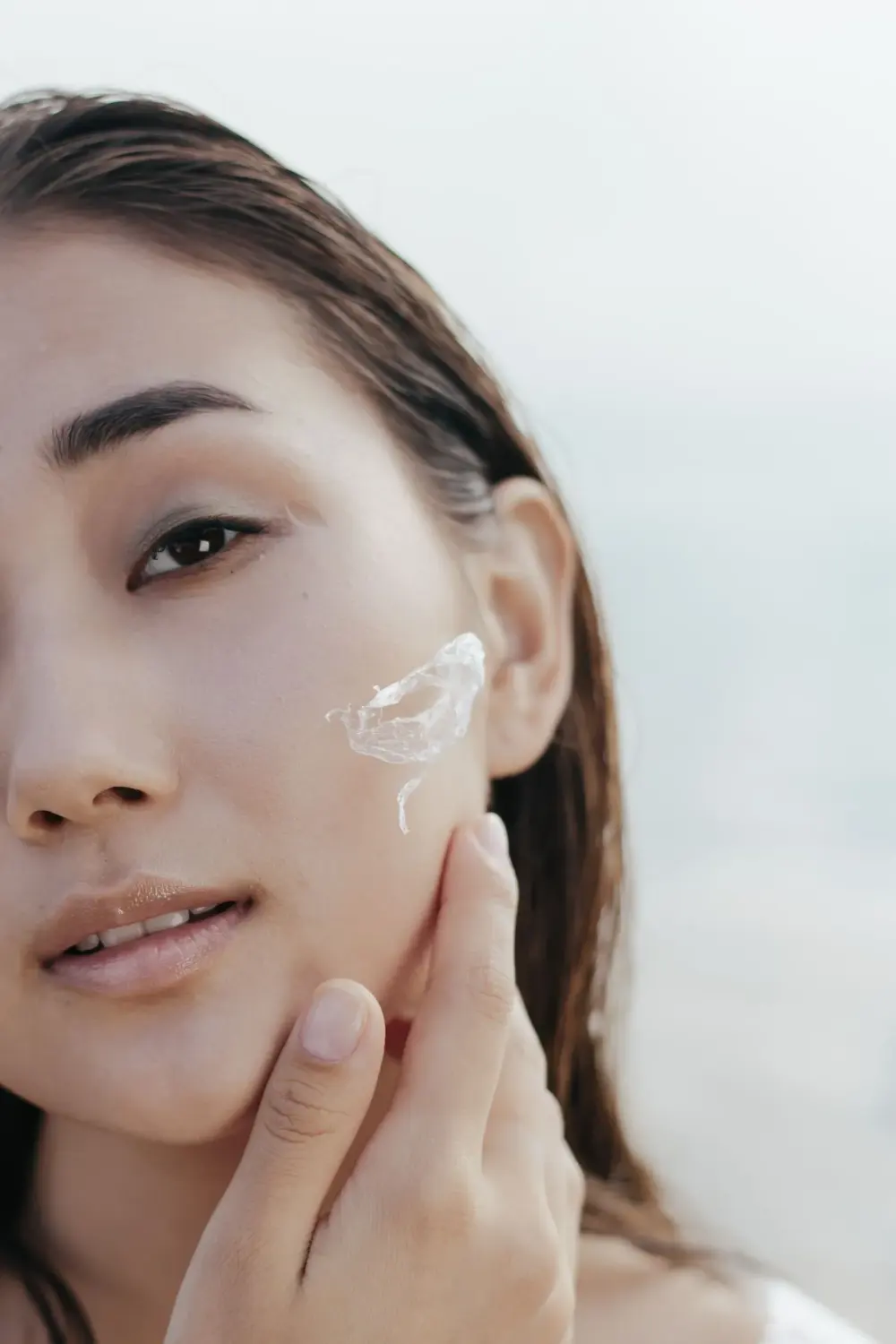
Apply your hyaluronic acid serum, followed by your moisturiser. Give it five minutes to absorb before the next step. Then apply a broad-spectrum SPF 30 or higher. Even if you're shooting indoors, SPF is part of your daily habit, skip nothing on shoot day.
Arrive makeup-free
Unless you have been specifically asked to arrive with your own makeup on, come to set with clean, moisturised skin and nothing else. Makeup artists prefer a blank canvas; foundation applied over your own products can pill and sit unevenly.
Eat and drink before you arrive
Have a proper meal and drink water before the call time. Low blood sugar causes stress, and a dehydrated body cannot fake radiant skin no matter how good the products are.
On-set touch-ups
During a long shoot, your skin will encounter heat, studio lights and possibly wind if you're shooting outdoors. Pack a small kit for between shots:
- Lip balm, reapply whenever you feel dryness.
- Travel moisturiser, a light layer on the hands and any exposed skin keeps things comfortable.
- Blotting papers, for oily skin, these absorb excess shine without disturbing makeup.
- Water, drink regularly through the day, not just at the start.
Do not apply extra skincare products over your makeup without checking with the makeup artist first. They may have specific touch-up products matched to what they used on you.
What NOT to do before a shoot
As important as the positive steps is knowing what to avoid. The following are common mistakes that regularly cause problems on shoot day:
- Trying a new product within three days of a shoot, even one labelled "gentle" or "natural" can cause an unexpected reaction.
- Getting a facial or professional treatment the day before, skin needs at least five to seven days to fully settle after most treatments.
- Exfoliating the night before, this strips the protective barrier and increases sensitivity under makeup and lights.
- Picking at spots or dry patches, this causes swelling, redness and open skin that is difficult to cover.
- Drinking alcohol heavily the night before, alcohol dehydrates and causes puffiness, particularly around the eyes.
- Skipping sleep to prepare other things, no amount of skincare compensates for genuine fatigue.
For the broader context of everyday skin health, revisit Skincare Basics Every Model Should Know, the habits you build daily are what make this countdown work.