Skin
Skincare Basics Every Model Should Know
Great skin is the canvas every shoot is built on. The good news: you don't need a ten-step routine or expensive serums, just a few habits done consistently.
In front of a camera, skin is read in detail, every bit of texture, redness and shine is amplified by lenses and lighting. That's why casting directors and photographers notice well-cared-for skin immediately: it photographs cleanly, takes makeup beautifully and cuts down on retouching. Building good skin is a long game, but the fundamentals are simple and worth starting today.
Why skincare matters for models
Healthy skin isn't about being "flawless", it's about being resilient and predictable. When your skin is well hydrated and balanced, it reacts less to stress, travel and long shoot days. Makeup sits smoother and lasts longer, and you spend less time in the chair. For anyone working on camera, that reliability is a professional advantage, not a vanity project.
Know your skin type first
Before buying a single product, figure out what your skin actually is. Cleanse, wait an hour without applying anything, then notice how your skin feels:
- Oily, shine across the forehead, nose and chin; visible pores.
- Dry, tightness, flaking or a rough feel.
- Combination, oily through the T-zone, normal or dry on the cheeks.
- Sensitive, stings, reddens or reacts to new products easily.
- Normal, comfortable, balanced, few concerns.
Your type guides every choice that follows, a gel cleanser and light moisturiser suit oily skin, while a cream cleanser and richer moisturiser serve dry skin better.
The core routine: four steps
A complete routine has just four moves. Master these before adding anything else.
1. Cleanse
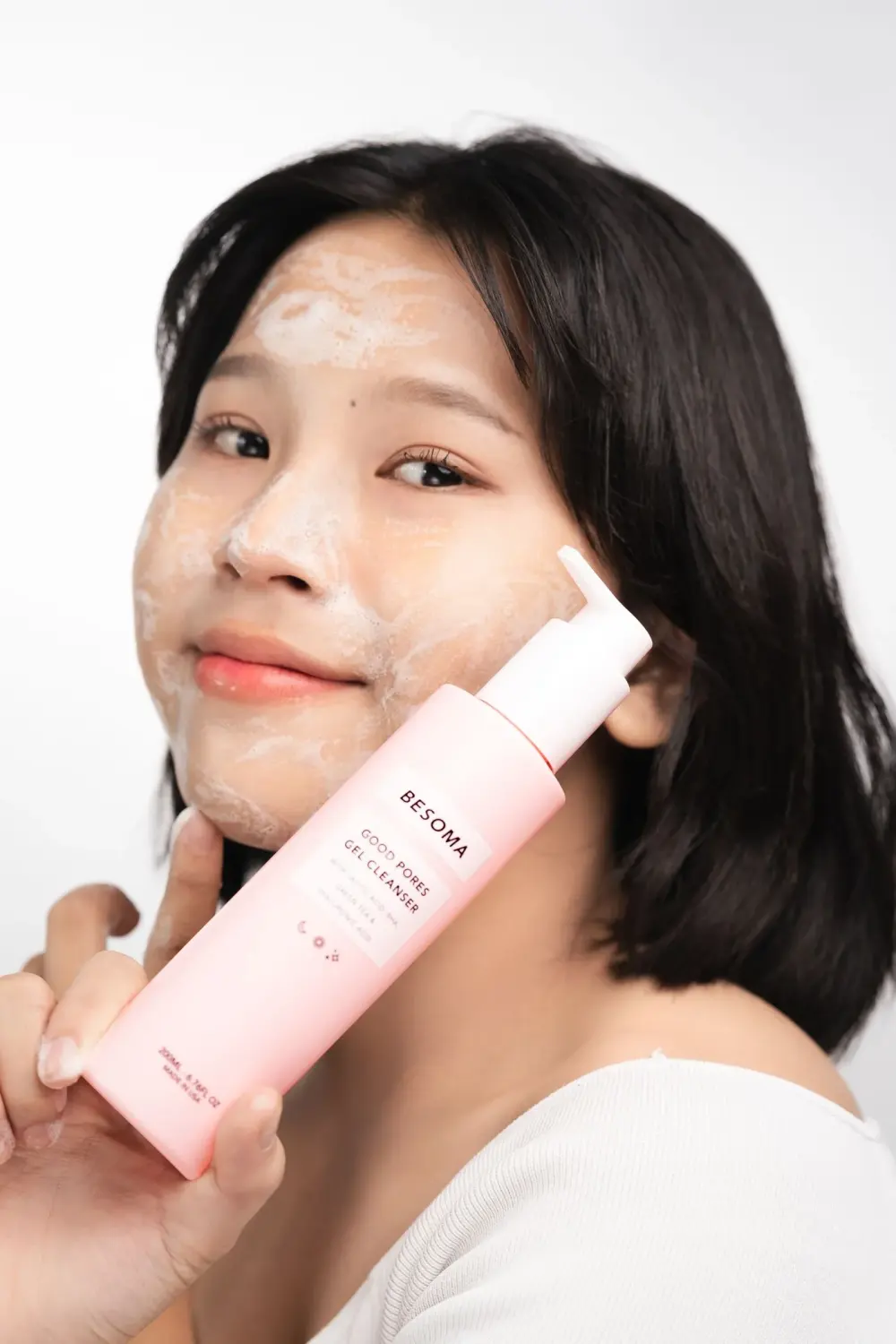
Wash morning and night with a gentle cleanser suited to your skin type. At night, remove every trace of makeup first, sleeping in a full face is one of the fastest ways to trigger breakouts and dull skin.
2. Treat
This is the optional, targeted step: a vitamin C serum in the morning for brightness, or a gentle retinol or exfoliating acid at night a couple of times a week. Introduce actives one at a time and slowly so your skin can adjust.
3. Moisturise
Every skin type needs moisture, yes, including oily skin. Hydrated skin looks plumper and photographs better. Choose a texture that feels comfortable and never tight.
4. Protect
Finish your morning with sunscreen, every day. More on that next, because it matters more than any other step.
Why sunscreen is non-negotiable
If you only do one thing for your skin, make it daily SPF. Sun exposure is the single biggest cause of premature ageing, uneven tone and dark spots, all the things you'd otherwise spend money trying to correct. Use a broad-spectrum SPF 30 or higher every morning, indoors and out, and reapply on long outdoor shoots.
Sunscreen is the cheapest, most effective anti-ageing product you will ever buy.
A few ingredients worth knowing
You don't need a cabinet full of products, but a handful of well-studied ingredients do most of the heavy lifting. Recognising these on a label helps you spend wisely:
- Hyaluronic acid, a hydrator that helps skin look plump, smooth and dewy on camera.
- Niacinamide, calms redness, balances oil and evens tone; gentle and very well tolerated.
- Vitamin C, a morning antioxidant that brightens dull skin and boosts your sunscreen.
- Retinol, the gold standard for smoothing texture over time; start low and slow, at night only.
- Ceramides, strengthen the skin barrier so it holds moisture and reacts to stress less.
Introduce one active at a time and always patch-test a new product on your inner arm for a couple of days first. If your skin is reactive, a short, gentle routine will always beat a complicated one, and if a problem persists, see a dermatologist rather than layering on more products.
Habits that show up on your skin
Products can only do so much. What you do between routines matters just as much:
- Hydrate, drink water consistently through the day.
- Sleep, aim for seven to eight hours; skin repairs overnight.
- Eat well, plenty of vegetables, healthy fats and less sugar.
- Don't pick, touching and squeezing spreads bacteria and leaves marks.
- Clean your phone and pillowcase, both sit against your face constantly.
A quick pre-shoot checklist
In the days before a booking, keep things calm and simple, a shoot is never the time to try a new product. For a full plan, see our guide on prepping your skin before a photoshoot. The short version:
- Exfoliate gently two to three days before, never the night before.
- Hydrate well and sleep the night before.
- Arrive with clean, moisturised, makeup-free skin.
- Pack a lip balm and a small moisturiser for touch-ups.
Common mistakes to avoid
- Over-cleansing or over-exfoliating, strips the skin and causes more oil and irritation.
- Switching products constantly, give a routine four to six weeks before judging it.
- Skipping moisturiser because you're oily, this usually makes oiliness worse.
- Chasing trends, consistency beats any viral product.
Start with the basics, stay consistent, and your skin will reward you on every shoot. From here, learn how to build a daily routine that fits your life or how to manage breakouts for on-camera work.