Makeup
Makeup Basics for Beginners
Makeup isn't a talent you're born with, it's a skill built through practice and a clear understanding of the fundamentals. Get the basics right and everything else follows naturally.
Walking into a makeup aisle for the first time is genuinely overwhelming, hundreds of products, dozens of finishes, and no obvious starting point. The best approach is to strip it back to first principles: understand what each product actually does, buy the minimum you need to practise with, and build your skills one step at a time. A small kit used well beats a large kit used badly every single time.
Before applying a single product, it also helps to know that good skin prep and a good skincare routine underpin everything. Makeup performs better on healthy, hydrated skin, so if you haven't already read the guide on skincare basics for models, that's a worthwhile first stop.
Start with good skin prep
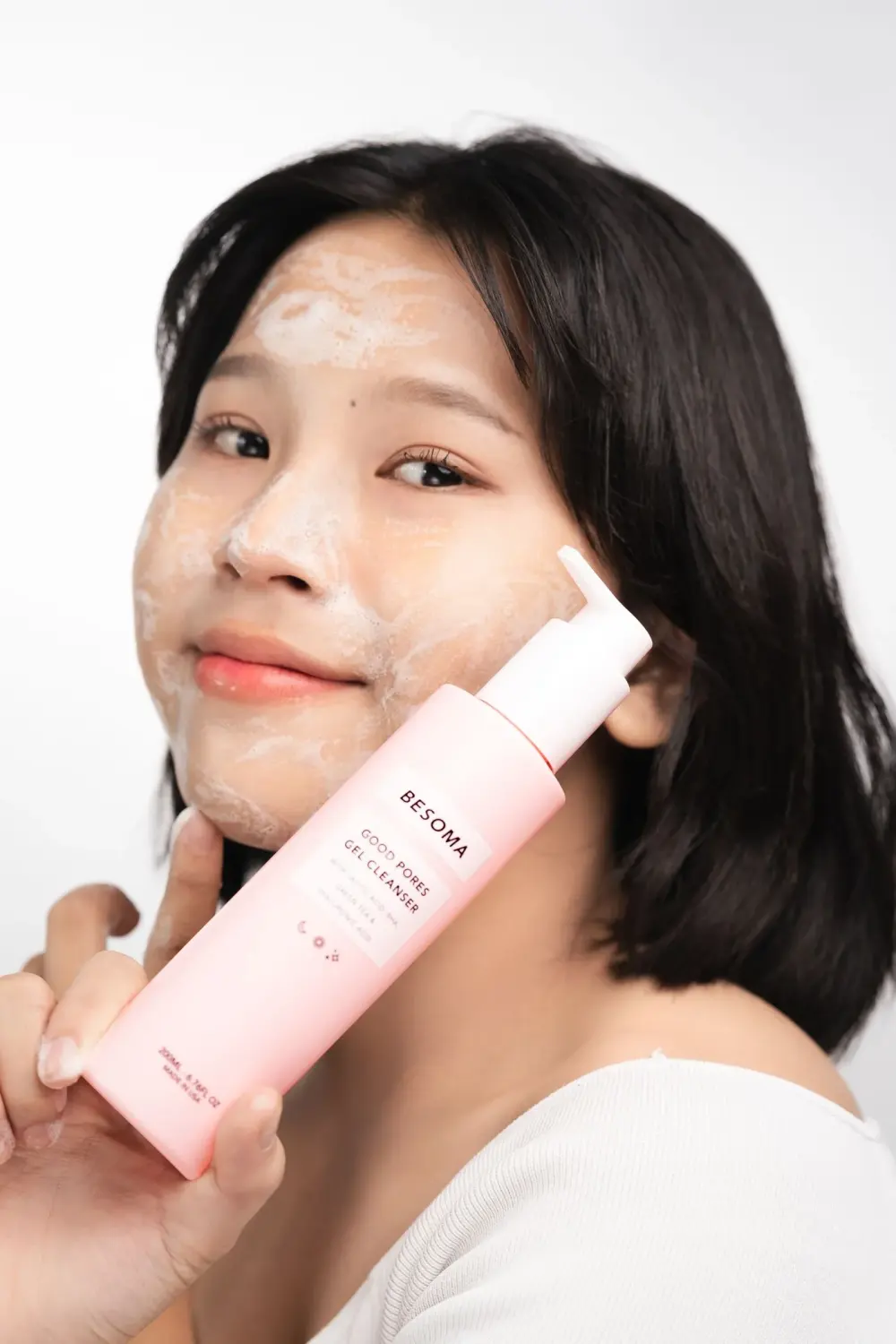
The ten minutes before you pick up a brush determine how your makeup will look and how long it will last. Start with a clean face, gently cleanse, then apply your regular moisturiser and let it sink in for a few minutes. If your skin is oily, a light gel moisturiser works well; if it's drier, a cream formula will give you a more comfortable base.
A hydrating face mist at this stage adds a fine layer of moisture that helps cream products blend smoothly. Once your moisturiser has absorbed fully, you're ready to prime.
Understanding base: primer, foundation, concealer
Primer
Primer creates a uniform surface for your foundation to grip. A pore-blurring primer works well for oily skin; a hydrating primer suits dry skin. Apply a thin, even layer after moisturiser and let it set for sixty seconds before moving on. Don't use more than a pea-sized amount, too much primer can cause foundation to pill and slide.
Foundation
Foundation evens out skin tone and gives your look a cohesive base. Beginners tend to do better starting with a light or medium coverage formula, these are far easier to blend than full-coverage products and look more natural while you're learning. Apply with a damp beauty sponge or a flat foundation brush, working outwards from the centre of the face.
Concealer
Concealer comes after foundation, not before. Apply it only where you actually need it, under the eyes, around the nose, or on any blemishes. Pat it gently with a fingertip or a small brush; don't drag or rub. A creamy concealer is easiest to blend as a beginner. Set it quickly with a touch of translucent powder so it doesn't crease.
Matching your shade
A foundation shade that doesn't match your skin is immediately noticeable and the most common beginner mistake. Always swatch foundation on your jawline, not your hand or wrist, the jaw sits between your face and neck, so a match there blends naturally in both directions.
- Test in natural daylight, never under store lighting, which can skew warm or cool.
- Wait five minutes after applying the swatch, some formulas oxidise and deepen slightly.
- Your undertone (warm, cool, or neutral) matters as much as depth. Warm undertones suit yellow-based shades; cool undertones suit pink-based shades; neutral undertones work with both.
- If you're between two shades, go lighter, a slightly lighter foundation reads more natural than one that's too deep.
Patch-test new foundation products on a small area of your jaw for at least 24 hours if you have sensitive or reactive skin, and watch for any redness or irritation before using a full application.
Brows frame the face
Well-groomed brows do more for a face than almost any other single step. They give structure, frame your eyes, and make your whole look feel intentional, even when the rest of your makeup is minimal. The goal for beginners is natural enhancement, not a dramatic redraw.
Start by brushing brows upward with a spoolie to see their natural shape. Then use a brow pencil one shade lighter than your hair colour (going darker reads harsh) to fill any gaps with light, hair-like strokes. Work from the inner brow outward and use a feathered motion, not solid lines. Finish by brushing through again with the spoolie to soften and blend.
Eyebrows should look like they were grown, not drawn. Soft, brushed-through brows always age better than hard ones.
Simple eyes and lashes
For a beginner eye, you need three things: a neutral matte shadow, eyeliner you can control, and mascara. Build from there.
Eye shadow
A single warm matte shadow, taupe, soft brown, or a skin-tone beige, applied to the crease with a fluffy blending brush and blended well is more effective than any complex multi-colour technique. Focus on learning how to blend rather than how many shadows to use.
Liner
A pencil liner is the most forgiving for beginners because it smudges and blends if you make a mistake. Apply it close to the lash line and smudge slightly with a cotton bud for a softer finish. If you want a liner look that reads clearly on camera, refer to the HD makeup guide for how to adapt your eye look for photography.
Mascara
Apply mascara from the base of the lashes and wiggle the wand upward to coat evenly. One coat is usually enough for a natural look. Let it dry before blinking hard. Never share mascara, the wand picks up bacteria from the eye and sharing is one of the most common causes of eye infections.
Cheeks and lips
Blush
Blush brings life and warmth back to a face after foundation. Smile gently and apply a powder blush to the apples of the cheeks, sweeping upward toward the temples. Use a light hand, you can always add more, but removing too much blush means starting over. Warm corals and soft peaches suit most skin tones as a starting point.
Highlighter
Skip highlighter until you're comfortable with the basics. When you do introduce it, place a small amount on the tops of the cheekbones and the bridge of the nose only. More than this quickly looks overdone in daylight.
Lips
A tinted lip balm or a nude lipstick close to your natural lip colour is the safest way to begin. It completes the look without demanding precision. Once you're ready to try a bolder colour, apply with a lip brush for more control and use a lip liner in a matching shade to prevent feathering. Never share lip products, this is a straightforward hygiene rule with real health implications.
Setting your makeup
Setting keeps your work in place and prevents mid-day shine or movement. A translucent loose powder applied with a large fluffy brush sets the whole face lightly. Focus it on the T-zone if you're oily, or apply sparingly all over for a smooth finish. Avoid heavy powder on dry skin, it will settle into fine lines and look cakey.
A setting spray misted over the finished look merges all the layers and gives a more natural, skin-like finish. Hold the bottle about 30 cm from your face and spray in a light, circular motion.
The five products to start with
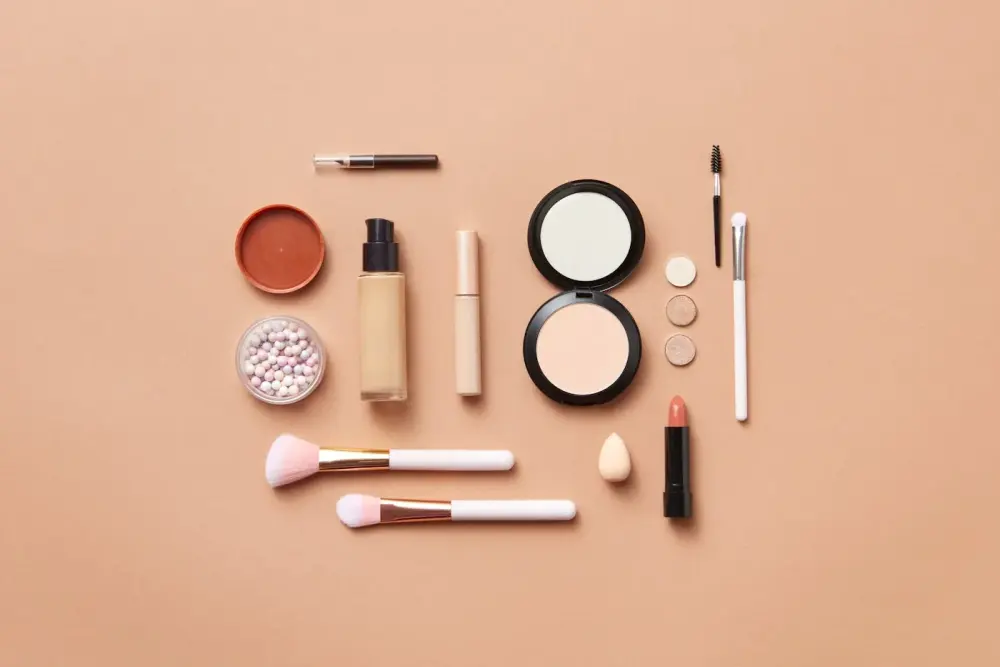
You don't need a full kit on day one. These five products give you a complete, wearable look while you build your skills:
- A light-coverage tinted moisturiser or BB cream, easier to blend than foundation and forgiving of beginner technique.
- A creamy concealer, for under-eye circles and blemishes only.
- A brow pencil, the single highest-impact product in any kit.
- A mascara, lifts and defines the eyes with minimal skill required.
- A tinted lip balm, colour and care in one step.
Once you can do these five things consistently and well, add blush next, then a setting powder, then build from there. If you're planning to put together a proper kit, the guide on building your first professional makeup kit covers what to prioritise as you grow.
Hygiene basics
Makeup applied with dirty tools causes breakouts and can transmit infection. These habits should be non-negotiable from day one:
- Clean brushes weekly with a gentle brush cleanser or baby shampoo. Lay flat to dry, never upright with water in the ferrule.
- Wash your beauty sponge after every use. A damp sponge sitting in a closed bag grows bacteria rapidly.
- Replace mascara every three months, even if it isn't finished. The wand introduces bacteria into the tube every time you use it.
- Never share eye or lip products. This is the most important hygiene rule in all of makeup.
- Patch-test every new product on a small area of skin before using it on your full face, especially if you have sensitive or reactive skin.
- Keep product lids tightly closed and store makeup away from direct sunlight and humidity, a bathroom cabinet is one of the worst places to store cosmetics.