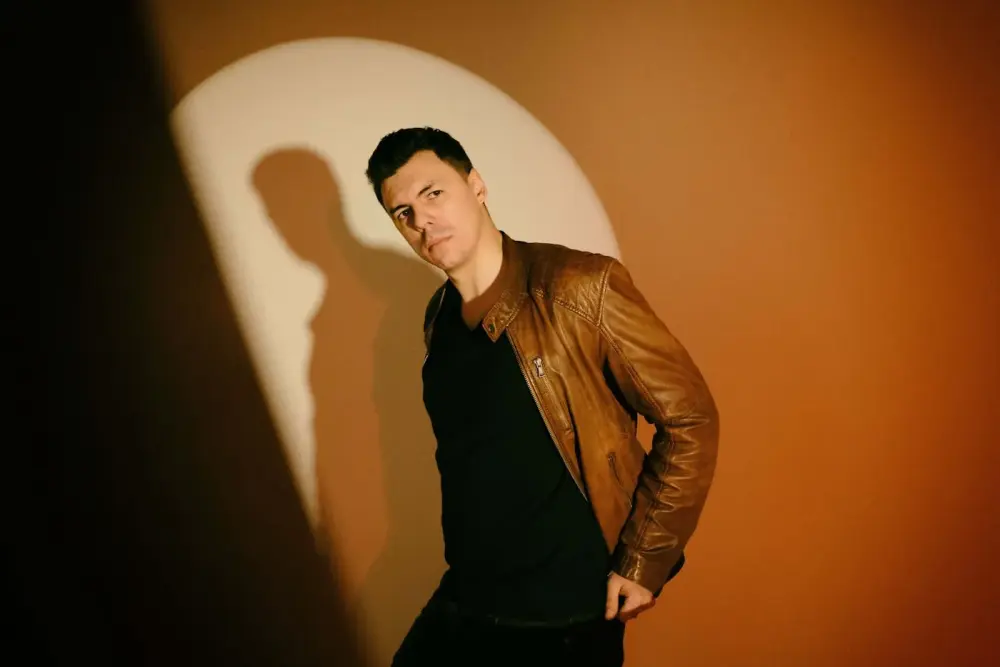
Modelling
How to Start Modelling: A Beginner's Guide
Breaking into modelling doesn't require luck or the "right" connections, it requires the right information and a clear plan. Here's everything you need to take your first steps with confidence.
Every working model started exactly where you are now, with enthusiasm, some uncertainty, and a lot of questions. The modelling industry has clear pathways into it, but it also has its share of misleading information and outright scams. This guide cuts through the noise and gives you a grounded, step-by-step picture of how to begin.
The most important thing to understand upfront: you should never have to pay a large sum of money to get started. Legitimate agencies earn their income from commission on your bookings, not from fees charged to you before you've earned a penny.
The main types of modelling
Modelling is not a single career, it's a collection of related disciplines, each with different requirements and opportunities.
- Editorial and fashion, high-fashion shoots for magazines, lookbooks and designers. Agencies in this space typically have strict height and size requirements.
- Commercial, advertising campaigns, product photography and brand work. The most accessible area: clients want a wide range of ages, ethnicities, body types and looks.
- Fitness, sportswear brands, gym and health brands. Requires a visibly athletic physique and often involves fitness knowledge.
- Parts modelling, hands, feet, hair, lips. No height or body requirements, just well-maintained, photogenic features.
- Runway / catwalk, walking for fashion shows and presentations. Height, posture and a confident walk matter most here.
- Plus-size and curve, a fast-growing category with dedicated agencies and significant commercial work.
Knowing which type fits your look and goals will help you target the right agencies and build the right portfolio from the start.
Be realistic about requirements
One of the hardest lessons for beginners: different corners of the industry have different standards, and not every look fits every category. That is not a reflection of your worth, it's a practical reality of a visual, commercial business.
For high-fashion editorial, many agencies in major markets look for very specific height ranges (typically 5'8"-6'0" for women; 5'11"-6'2" for men) and very lean builds. Commercial modelling is far broader: all heights, sizes and ages book work every day. Fitness modelling requires a defined physique. Parts modelling cares only about the specific feature.
Be honest with yourself about where you fit. Aiming at the right market from the start means fewer rejections and much faster progress. Talk to people already working in the areas you're targeting, and take their feedback seriously.
Take simple digitals/polaroids
Before approaching any agency or photographer, you need a basic set of digitals, also called polaroids. These are plain, natural, unretouched snapshots that show exactly how you look in person. Agencies request them because they want to see the real you, not a heavily styled version.
You don't need a professional photographer for digitals. A friend with a decent smartphone and good natural light is enough. The standard set includes:
- A straight-on face shot, bare skin, hair back or swept away from the face
- A profile shot (left and right)
- A full-length front shot in fitted, neutral clothing
- A full-length back shot
- A three-quarter turn
No filters, no heavy makeup, no dramatic poses. Clean, simple and honest is exactly what agencies want to see.
Build a basic portfolio
Once you have your digitals, your next task is to build an early portfolio, a small collection of quality photographs that show your range. You do not need twenty images; five to eight strong shots are far better than twenty average ones.
At the beginning, your portfolio might include a strong headshot, a full-length editorial-style image, a lifestyle or commercial image, and one or two images that show versatility in styling or mood. Read our full guide to building a modelling portfolio that gets you booked for a detailed breakdown of every shot you need.
Focus on quality over quantity. One genuinely excellent photograph does more work than ten mediocre ones.
Find a reputable agency
A good agency is a genuine partner: they submit you for castings, negotiate your rates, handle contracts and protect your professional interests. Finding the right one takes research, but the effort is worth it.
How to find legitimate agencies
- Search for agencies that represent working models in your city or region. Look at their current roster, do they represent models with careers? Are those models getting real work?
- Check for industry memberships or associations relevant to your market.
- Look for agencies whose models appear in campaigns you recognise.
- Read reviews from other models, on social media, modelling forums and communities.
How agency submissions typically work
Most agencies accept online submissions. Send your digitals, basic measurements (height, weight, bust/waist/hips, shoe size) and a brief, professional introduction. If you are under 18, a parent or guardian must be involved in all communications and contracts.
Rejection is normal and common, every working model has been turned away by agencies. If one isn't right for you, that is often a category mismatch, not a verdict on your potential. Keep submitting to agencies whose roster actually fits your look.
Avoid scams and upfront-fee traps
The modelling industry attracts predatory individuals and fake agencies who target newcomers. Knowing the warning signs could save you significant money and distress.
A legitimate agency makes money when you make money. If someone asks for money upfront, walk away.
- Large upfront registration or joining fees, a real agency charges you nothing to sign you. They earn commission (typically 10-20%) only on bookings they secure for you.
- Pressure to buy expensive "required" portfolio packages, a legitimate agency will guide you towards affordable test shoots or accept your existing digitals. They will never insist you spend hundreds with a photographer they've chosen.
- Guaranteed work or income promises, no agency can guarantee bookings. Anyone who does is lying.
- Approaching you unsolicited in public with urgent offers, real scouts do exist, but always verify any agency independently before meeting and never meet alone.
- Contracts you're rushed to sign, take any contract home, read it carefully, and ideally have a parent, guardian or trusted adult review it before signing.
If something feels wrong, trust that instinct. Research every agency before engaging, and never transfer money to anyone promising you a modelling career.
Build a professional social presence
Agencies and clients regularly check social media before contacting or booking models. A clean, professional presence matters.
You don't need tens of thousands of followers. What you need is a feed that shows you clearly: good photographs, consistent presentation, and content that reflects the type of work you want. Keep your best shots at the top, make sure your bio is clear and professional, and ensure your contact details or a link to your portfolio are easy to find.
Avoid anything you wouldn't want a casting director or client to see. Once you start working with an agency, they may have guidelines about what you post, follow them.
Building a social following is also a useful way to connect with photographers for test shoots and to get feedback from the wider modelling community.
Your first steps this week
Rather than feeling overwhelmed, focus on a handful of concrete actions you can take right now:
- Identify which type of modelling best fits your look and goals.
- Take a set of basic digitals in natural light, today if you can.
- Research three to five reputable agencies in your area and check their submission guidelines.
- Tidy up your social media profiles so they're clean and professional.
- Read up on posing techniques for beginners so you feel more comfortable in front of a camera when your first test shoot comes.
Getting started in modelling is about taking steady, informed steps. There is no shortcut, and the path is different for everyone, but every photographer, client and agency you meet adds to a network that compounds over time. Start today with what you have.