Modelling
Building a Modelling Portfolio That Gets You Booked
Your portfolio is your professional handshake, the first thing an agency or client sees, and often the only thing standing between you and a booking. Building it well is not expensive; it is strategic.
A portfolio is often described as a model's "book," and the metaphor is apt: like any book, it needs to tell a clear, compelling story. The story it needs to tell is simple, here is who I am, here is my range, and here is why you should hire me. Every image you include either strengthens or weakens that story.
If you're still in the early stages of figuring out which type of modelling you want to pursue, it's worth reading our beginner's guide to starting a modelling career first, as the type of modelling you target will directly shape the portfolio you need.
What a portfolio is really for
Agencies and clients are looking for specific things when they open your portfolio:
- Can this person photograph well? Not everyone who looks great in person translates to a strong image. Your portfolio proves that you do.
- Is there range? Can you do more than one thing, commercial and editorial, relaxed and powerful, fashion and lifestyle?
- Is the quality consistent? A portfolio with two great shots and ten mediocre ones reads as a portfolio of someone who got lucky twice.
- Is this person the right fit? Your images should feel consistent with your look, your market and the type of work you're targeting.
Think of your portfolio as evidence, not decoration. Every image should be there for a reason.
The must-have shots
While every portfolio is unique, there are a handful of images that almost every model should include, regardless of their market.
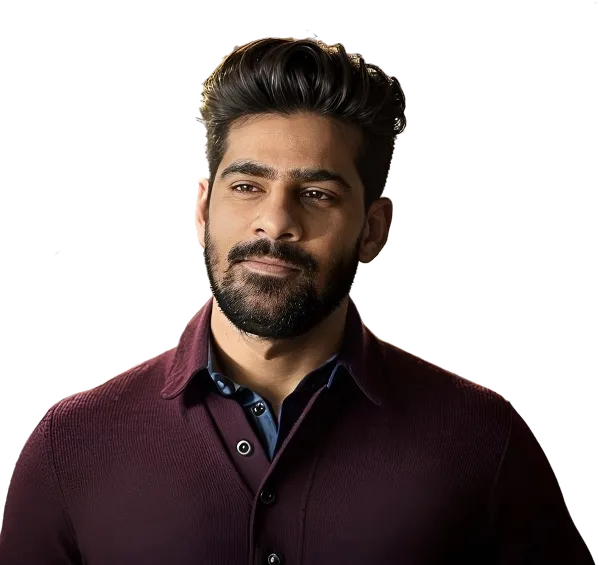
Headshot
A clean, well-lit close-up of your face against a simple background. Hair should be neat and makeup relatively natural. This is the image people use to understand exactly how you look, it should be accurate, not heavily stylised.
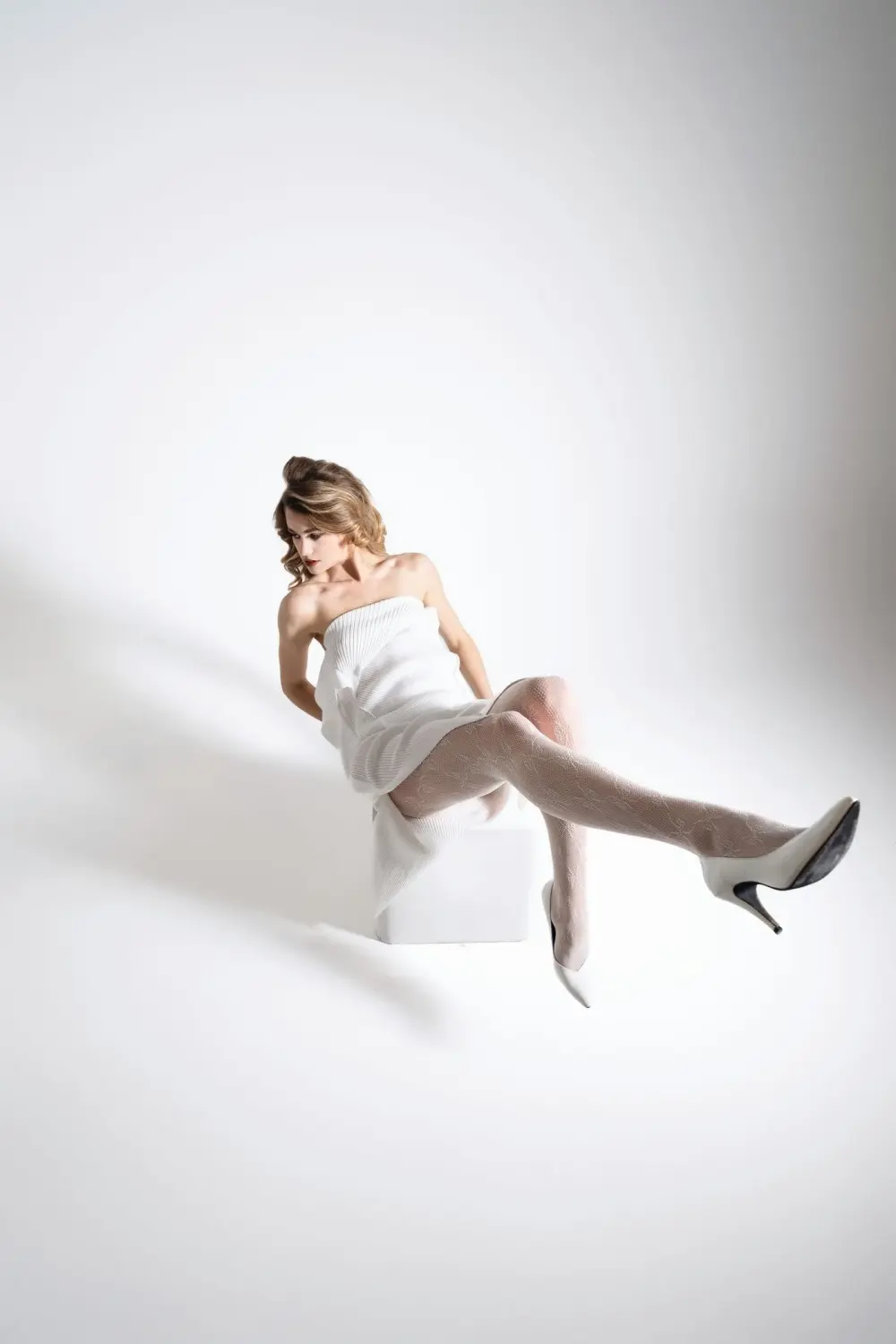
Full-length body shot
At least one clear, full-length image showing your proportions in fitted, flattering clothing. This is especially important for fashion, commercial and fitness modelling.
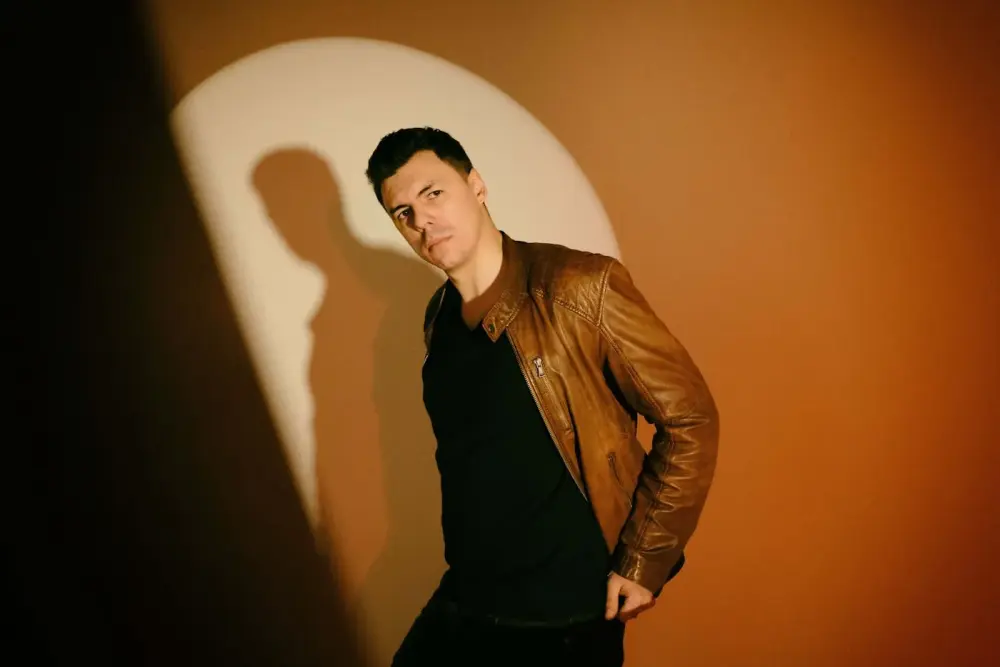
Editorial-style image
One or two shots with more interesting styling, lighting or mood, images that demonstrate visual awareness and the ability to take direction. These show range beyond simple commercial work.
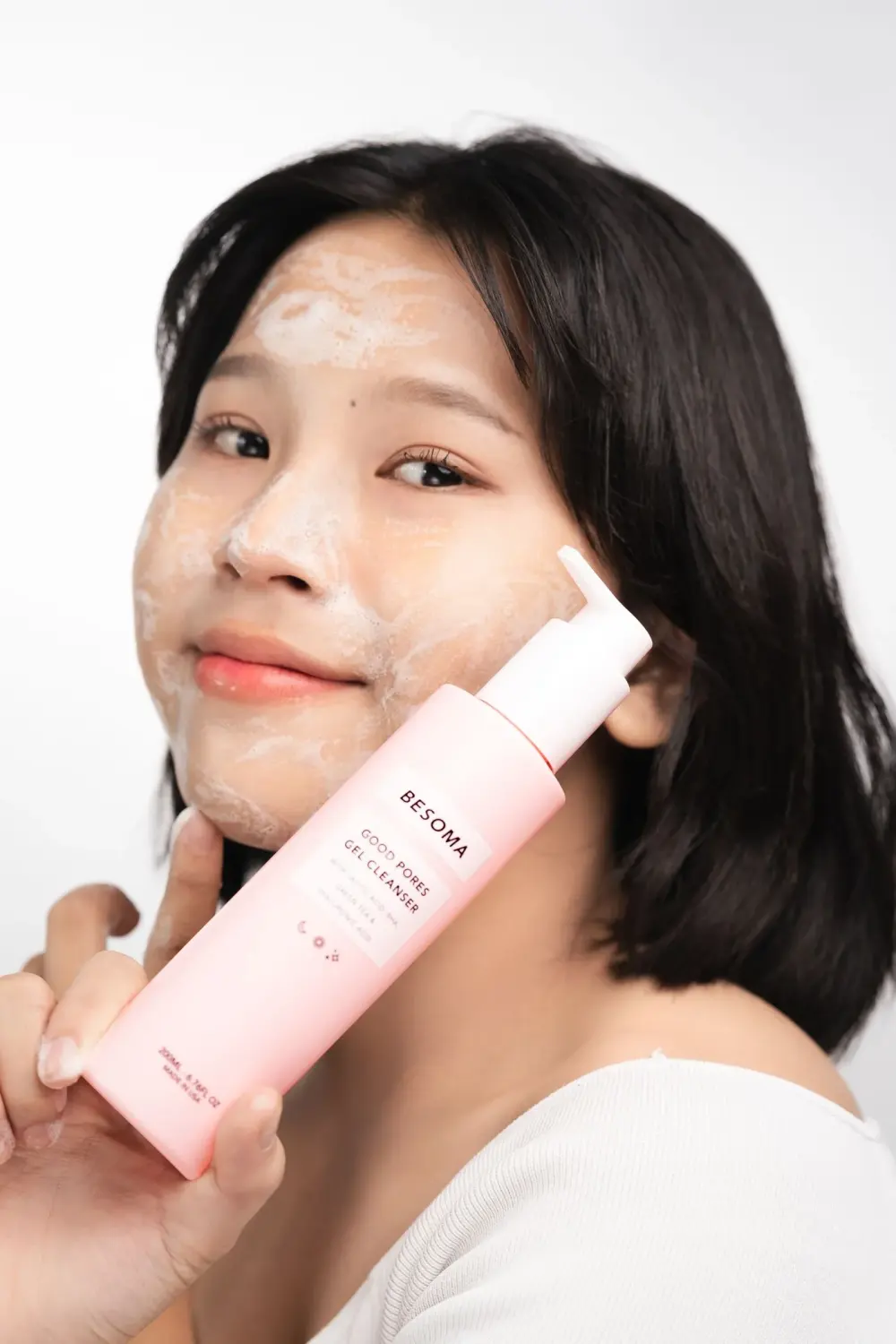
Lifestyle or commercial image
A natural, warm, approachable image, the kind used in advertising for everyday brands. Commercial clients book a lot of this type of work and want to see that you can look genuinely relaxed and likeable.
Variety of expressions
Across your portfolio as a whole, a client should see more than one emotional register, confident, soft, intense, playful. Even if the shoots were styled differently, variety in expression demonstrates versatility.
Quality over quantity
The most common beginner mistake is including too many images. A portfolio with twenty average shots is far weaker than one with eight genuinely strong ones. Casting directors and clients look at portfolios quickly, your worst image is the one they remember.
Your portfolio is only as strong as its weakest image. When in doubt, leave it out.
A good working target for a new model is eight to twelve images. When you have too few strong shots, resist the temptation to pad with weaker ones. A shorter, stronger portfolio is always the better choice.
Choosing the right photographer
Not every photographer who takes good pictures is the right fit for a modelling portfolio. You need someone who:
- Has experience shooting models and understands what agencies and clients look for
- Shoots in a style that matches your target market, a fashion photographer's aesthetic may not suit commercial work
- Can provide high-resolution, retouched finals in a reasonable timeframe
- Communicates clearly about usage rights for the images
Review a photographer's portfolio thoroughly before booking. Look for images of models whose look is similar to yours, this tells you whether the photographer can capture your type well. And always clarify upfront who owns the images and how you're permitted to use them commercially.
Test shoots and TFP
TFP stands for "time for prints" (sometimes "trade for prints"), an arrangement where a model and photographer collaborate without payment, both using the resulting images for their own portfolios. For new models with limited budgets, TFP is a completely legitimate way to build early portfolio work.
To find TFP opportunities:
- Connect with photographers through social media and modelling platforms who are also building their portfolios
- Look for photographers whose current work already shows the quality and style you need
- Be clear in advance about what shots you're hoping to produce, so both parties are aligned on the goal
TFP is not an excuse for disorganised or unprofessional shoots. Arrive on time, be prepared, including having practised your posing techniques beforehand, and treat the shoot with the same professionalism as a paid booking.
One caution: be selective with TFP. Not every free shoot will produce portfolio-worthy images. If a photographer's existing work isn't at the standard you need, a free shoot with them won't change that.
Digitals vs editorial images
These are two entirely different types of images that serve different purposes and should never be confused.
Digitals (polaroids)
Plain, natural snapshots taken in good light, with minimal makeup and neutral clothing. No retouching. These are used by agencies and some clients to see exactly how you look in real life. Every model needs a current set, they're not glamorous, but they're essential. See our notes on digitals in the beginner's guide for exactly what to include in your set.
Editorial and portfolio images
These are the styled, lit, retouched images that show you at your photographic best. They demonstrate range, take direction well, and work within a creative concept. Editorial images are what clients and agencies look at when deciding whether to book you.
Keep both updated. Your editorial portfolio will evolve as your career develops; your digitals should always be current and accurate.
Presenting your book (digital & print)
How you present your portfolio matters almost as much as its content.
Digital portfolio
Most agencies and clients today expect a digital portfolio, either on your agency's website, on a modelling platform, or as a clean PDF or website you control. Images should be high-resolution, consistently cropped and exported, and arranged in a strong sequence. Lead with your best image and end with your second-best.
Print portfolio
Some agencies and castings still use physical portfolios, a printed book, typically A4 or A3 in landscape orientation, with images mounted on clean pages. If your agency requests or provides one, take care of it. A scuffed, dog-eared portfolio undermines even great images.
Regardless of format, every image should be captioned with the photographer's name and any relevant styling credits. This is both professional courtesy and a useful reference for clients who want to reach out to collaborators.
Keeping it current
A portfolio is never finished, it is a living document that should evolve as your career develops.
- Review your portfolio every three to six months and replace the weakest images with stronger new work.
- Update your digitals whenever your appearance changes significantly, new haircut, noticeable weight change, different hair colour.
- As you accumulate paid work, replace test shoot images with real campaign images, clients and agencies respond well to visible evidence of actual bookings.
- Tailor your selection when approaching specific markets, show commercial images to commercial agencies, editorial to fashion agencies.
The career of a model is built image by image, booking by booking. A portfolio that accurately represents where you are right now, and where you're heading, is the most valuable professional tool you have.